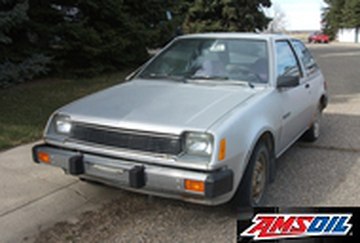
Maintaining Lubrication Integrity for the 1982 Dodge COLT 1.4L
Proper engine care for a vehicle of this era requires a focus on consistent monitoring and proactive inspection. For owners of a 1982 Dodge COLT with the 1.4L engine, maintaining the lubrication system is a fundamental aspect of preserving mechanical health. Because older engines rely on precise tolerances and effective fluid properties to operate smoothly, understanding how to manage oil changes and monitor for potential issues is essential for long-term ownership.Monitoring Fluid Condition and Potential Leaks
A primary component of routine maintenance involves regular visual inspections of the engine bay. For a vehicle from 1982, checking for signs of fluid seepage or leakage is a practical way to identify needs before they become significant concerns. Owners should look for any evidence of oil residue on various engine surfaces or pooling in the areas beneath the vehicle. When performing these checks, it is helpful to examine the condition of gaskets and seals. Over time, rubber and composite materials can undergo changes due to heat cycles and age, which may lead to minor seepage. If any wetness or staining is observed around sealing surfaces, it warrants closer investigation. Additionally, checking the appearance of the oil itself via the dipstick can provide useful information. Oil that appears excessively dark, gritty, or has a strong odor may indicate that the lubricant has been subjected to high thermal stress or has reached the end of its effective service life.Observing Changes in Engine Operation
While visual inspections are vital, paying attention to how the engine behaves during operation is equally important. Changes in mechanical behavior can sometimes be associated with lubrication status. For instance, if an owner notices unusual noises that were not previously present, it may indicate a need for a thorough inspection of the lubrication system and its components. It is also important to monitor for any unexpected consumption of oil. If the oil level on the dipstick frequently drops between scheduled service intervals, this should be investigated. Such changes can be caused by various factors, including internal engine conditions or external leaks. Furthermore, if an owner observes unusual exhaust characteristics, such as smoke that appears different from the standard operating state, it is a signal to have the vehicle inspected by a professional to determine the underlying cause. Always remember that symptoms like these can have multiple origins and should not be used to diagnose a specific part without a proper mechanical assessment.Prioritizing Maintenance Based on Current Condition
As vehicles age, maintenance strategies often shift from strictly following a calendar-based schedule to a more condition-based approach. For the 1982 Dodge COLT 1.4L, this means prioritizing tasks based on what is actually observed during inspections rather than making assumptions based solely on the vehicle's age. If you are managing a vehicle with an incomplete service history, establishing a maintenance baseline is a wise first step. This involves performing a comprehensive inspection of all fluids and major engine-related components to understand the current state of the vehicle. Once this baseline is established, you can better distinguish between necessary repairs and routine preventive maintenance. Addressing active leaks or addressing signs of fluid degradation should take precedence over other non-essential tasks. Keeping a detailed log of every oil change, filter replacement, and observed leak helps in making informed decisions about the vehicle's future service needs.Managing Aging Engine Components
Maintaining an older engine involves being mindful of how various materials age. Beyond just the oil itself, other components that interact with the lubrication system or are located near heat sources should be monitored. If equipped, inspect accessible drive belts for signs of cracking, glazing, or fraying. Similarly, if present, any rubber hoses should be checked for signs of hardening, swelling, or surface deterioration. Electrical connections and wiring harnesses should also be inspected to ensure they remain secure and free from corrosion, as these can impact the overall reliability of engine sensors and management systems. By combining regular fluid checks with a broader look at the engine's peripheral components, an owner can maintain a much clearer picture of the vehicle's mechanical integrity.The Role of Clean Lubrication in Engine Health
Effective lubrication serves several purposes that are critical to the operation of any internal combustion engine. Beyond simply reducing friction between moving parts, the oil acts as a medium for heat management by carrying thermal energy away from high-temperature areas. It also plays a role in helping to suspend and carry away microscopic contaminants, preventing them from settling and forming deposits or sludge within the system. Maintaining clean and fresh lubricant is one of the most effective ways to ensure that these functions are performed reliably. When oil becomes contaminated or loses its chemical stability, its ability to protect the engine diminishes. This makes the timing of fluid changes a critical factor in preventing the buildup of deposits that can interfere with mechanical movement.Practical Guidance for Buying Engine Oil for your 1982 Dodge COLT 1.4L
When it is time to replenish the lubrication in your vehicle, accuracy in selection is paramount. To ensure the engine receives the correct protection, you must match the lubricant to the specific requirements of your application. Always refer to the vehicle-specific oil viscosity and application information provided on this webpage before making a purchase. Do not rely on general automotive knowledge or assumptions based on the age of the 1982 Dodge COLT; instead, use the exact specifications listed in the technical data above. When selecting a product, consider the following:- Verify the Label: Ensure that the oil you purchase matches the viscosity grade and any necessary service classifications indicated in your application information.
- Evaluate Formulations: Depending on your specific needs and the current condition of your engine, you may choose between conventional, synthetic blend, or full synthetic oils. Some high-mileage formulations are also available, which contain additives intended for use in aging engines.
- Check Quality Standards: Look for appropriate API certifications on the product packaging to ensure the oil meets modern quality and performance standards.